School Management System Security: Complete Data Protection Guide 2025
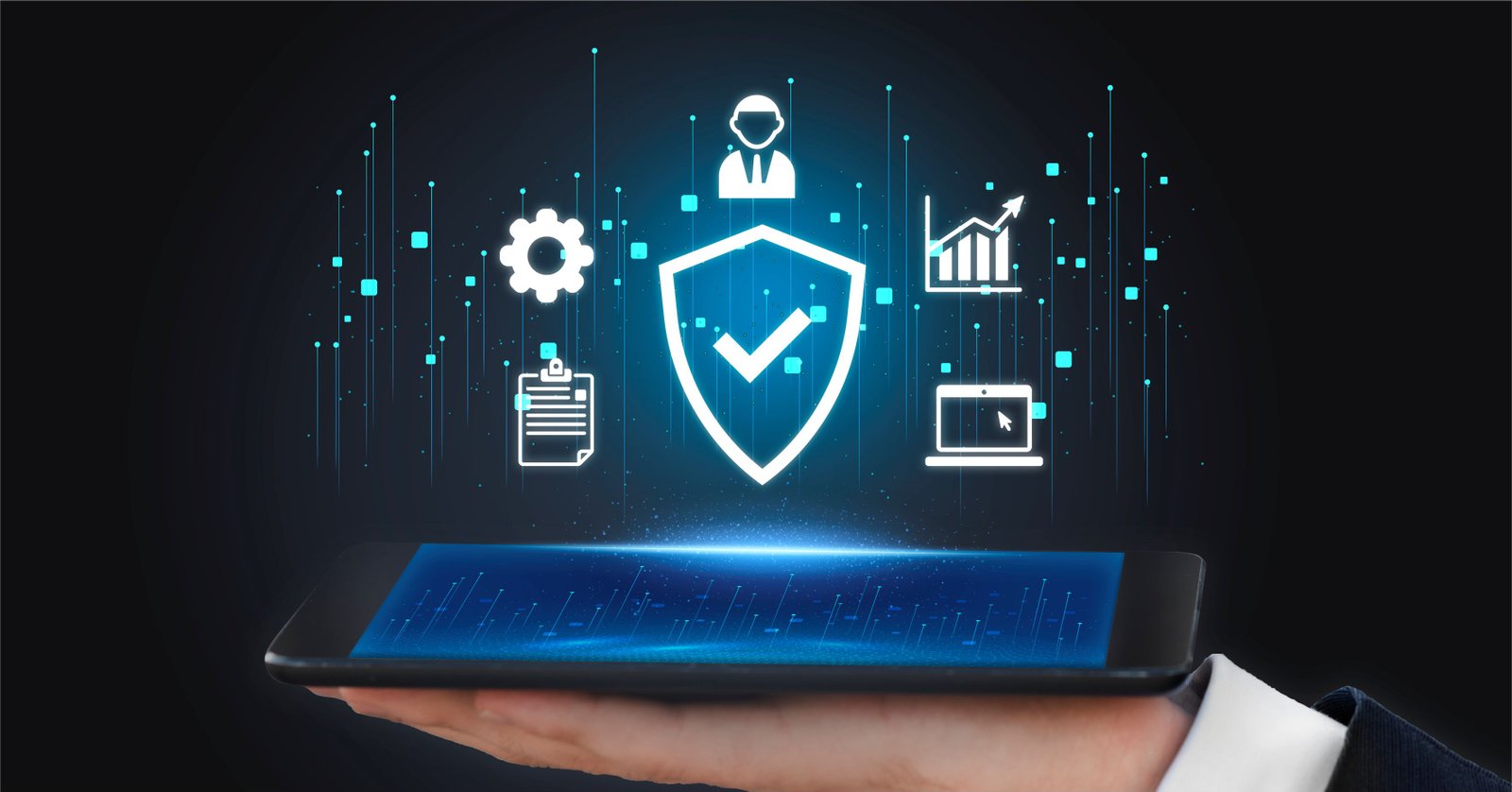
Protecting student data and ensuring system security is paramount for educational institutions. This comprehensive guide covers everything you need to know about securing your school management system and maintaining compliance with privacy regulations.
Why School Data Security Matters
Educational institutions handle vast amounts of sensitive information, including:
- Student personal information and academic records
- Financial data and payment information
- Staff employment records and personal data
- Parent contact information and communications
- Health records and special needs information
A data breach can result in:
- Legal penalties and compliance violations
- Financial losses and litigation costs
- Reputation damage and loss of trust
- Identity theft affecting students and families
- Operational disruption and recovery costs
Legal and Regulatory Compliance
FERPA (Family Educational Rights and Privacy Act)
FERPA is the primary federal law governing student data privacy in the United States:
Key FERPA Requirements:
- Consent: Written consent required for most disclosures
- Access rights: Parents/students can review educational records
- Amendment rights: Ability to request corrections to records
- Directory information: Limited public information with opt-out rights
- Audit trail: Maintain records of who accessed what information
FERPA Compliance in School Management Systems:
- Role-based access controls limiting data visibility
- Audit logs tracking all data access and modifications
- Secure data transmission and storage
- Data retention and deletion policies
- Vendor agreements ensuring FERPA compliance
Other Important Regulations
- COPPA: Children's Online Privacy Protection Act
- GDPR: General Data Protection Regulation (for international schools)
- State privacy laws: Additional state-specific requirements
- HIPAA: For health-related student information
Essential Security Features
1. Authentication and Access Control
Multi-Factor Authentication (MFA)
- Something you know (password)
- Something you have (phone, token)
- Something you are (biometric)
Role-Based Access Control (RBAC)
- Administrators: Full system access
- Teachers: Access to their classes and students
- Parents: Access only to their children's information
- Students: Limited access to their own records
- Staff: Department-specific access rights
Single Sign-On (SSO)
- Reduces password fatigue
- Centralized access management
- Integration with existing directory services
- Enhanced security through centralized policies
2. Data Encryption
Encryption at Rest
- Database encryption using AES-256
- File system encryption
- Backup encryption
- Key management systems
Encryption in Transit
- TLS/SSL for web communications
- VPN for remote access
- Encrypted email communications
- Secure API communications
3. Network Security
- Firewalls: Network perimeter protection
- Intrusion Detection: Monitor for suspicious activity
- Network Segmentation: Isolate critical systems
- Regular Security Updates: Patch management
4. Audit and Monitoring
Comprehensive Audit Logs
- User login/logout activities
- Data access and modification records
- System configuration changes
- Failed access attempts
- Data export and sharing activities
Real-time Monitoring
- Unusual access pattern detection
- Multiple failed login alerts
- Large data download monitoring
- After-hours access notifications
Cloud vs On-Premise Security Considerations
Cloud-Based Security Advantages
- Professional security teams: Dedicated cybersecurity experts
- Regular updates: Automatic security patches
- Advanced threat detection: AI-powered security monitoring
- Compliance certifications: SOC 2, ISO 27001, etc.
- Disaster recovery: Built-in backup and recovery
On-Premise Security Advantages
- Complete control: Full control over security policies
- Data residency: Data remains on school premises
- Custom security: Tailored security measures
- Network isolation: Air-gapped systems possible
Best Practices for School Data Security
1. Develop a Comprehensive Security Policy
- Define data classification levels
- Establish access control procedures
- Create incident response plans
- Set data retention and deletion policies
- Regular policy review and updates
2. Staff Training and Awareness
- Security awareness training: Regular cybersecurity education
- Phishing simulation: Test and train staff recognition
- Password policies: Strong password requirements
- Social engineering awareness: Recognize manipulation attempts
- Incident reporting: Clear procedures for reporting issues
3. Regular Security Assessments
- Vulnerability scans: Identify system weaknesses
- Penetration testing: Simulate real-world attacks
- Security audits: Review policies and procedures
- Compliance assessments: Ensure regulatory compliance
4. Data Backup and Recovery
- Regular backups: Automated daily backups
- Offsite storage: Geographically distributed backups
- Recovery testing: Regular restore procedures testing
- Business continuity: Disaster recovery planning
Vendor Security Evaluation
Questions to Ask Your School Management System Vendor
- What security certifications do you maintain?
- How is data encrypted at rest and in transit?
- What access controls and authentication methods are available?
- How do you ensure FERPA compliance?
- What audit and monitoring capabilities are provided?
- How do you handle security incidents?
- What are your data backup and recovery procedures?
- How often do you conduct security assessments?
- What is your incident response process?
- How do you handle data deletion and retention?
Security Certifications to Look For
- SOC 2 Type II: Security, availability, and confidentiality
- ISO 27001: Information security management
- FedRAMP: Federal risk and authorization management
- FERPA compliance: Student privacy protection
- COPPA compliance: Children's online privacy
Incident Response Planning
Incident Response Team
- Incident Commander: Overall response coordination
- IT Security: Technical investigation and remediation
- Legal Counsel: Compliance and legal implications
- Communications: Internal and external communications
- Administration: Decision-making and resource allocation
Incident Response Steps
- Detection and Analysis: Identify and assess the incident
- Containment: Limit the scope and impact
- Eradication: Remove the threat from systems
- Recovery: Restore normal operations
- Lessons Learned: Improve future response
Emerging Security Threats
Common Threats to Educational Institutions
- Ransomware: Encrypting data for ransom payments
- Phishing attacks: Fraudulent emails targeting credentials
- Insider threats: Malicious or negligent staff actions
- Social engineering: Manipulating people for information
- Third-party breaches: Vendor security compromises
Future Security Considerations
- AI-powered attacks: More sophisticated threat vectors
- IoT security: Connected devices in classrooms
- Mobile security: BYOD and mobile app protection
- Cloud security: Multi-cloud environment protection
Conclusion
Securing your school management system requires a comprehensive approach that combines technology, policies, and people. By implementing robust security measures, maintaining compliance with regulations like FERPA, and staying vigilant against emerging threats, schools can protect sensitive student data while enabling the benefits of digital transformation.
Remember that security is not a one-time implementation but an ongoing process that requires regular assessment, updates, and training. Partner with vendors who prioritize security and compliance, and ensure your staff understands their role in maintaining data protection.
The investment in proper security measures is essential for protecting your school community and maintaining the trust that parents and students place in your institution.
Secure Your School's Data with Schoolyn
Discover how Schoolyn's enterprise-grade security features protect your student data while ensuring FERPA compliance.
Learn About Our Security