Cloud vs On-Premise School Management Systems: Which is Right for Your School?
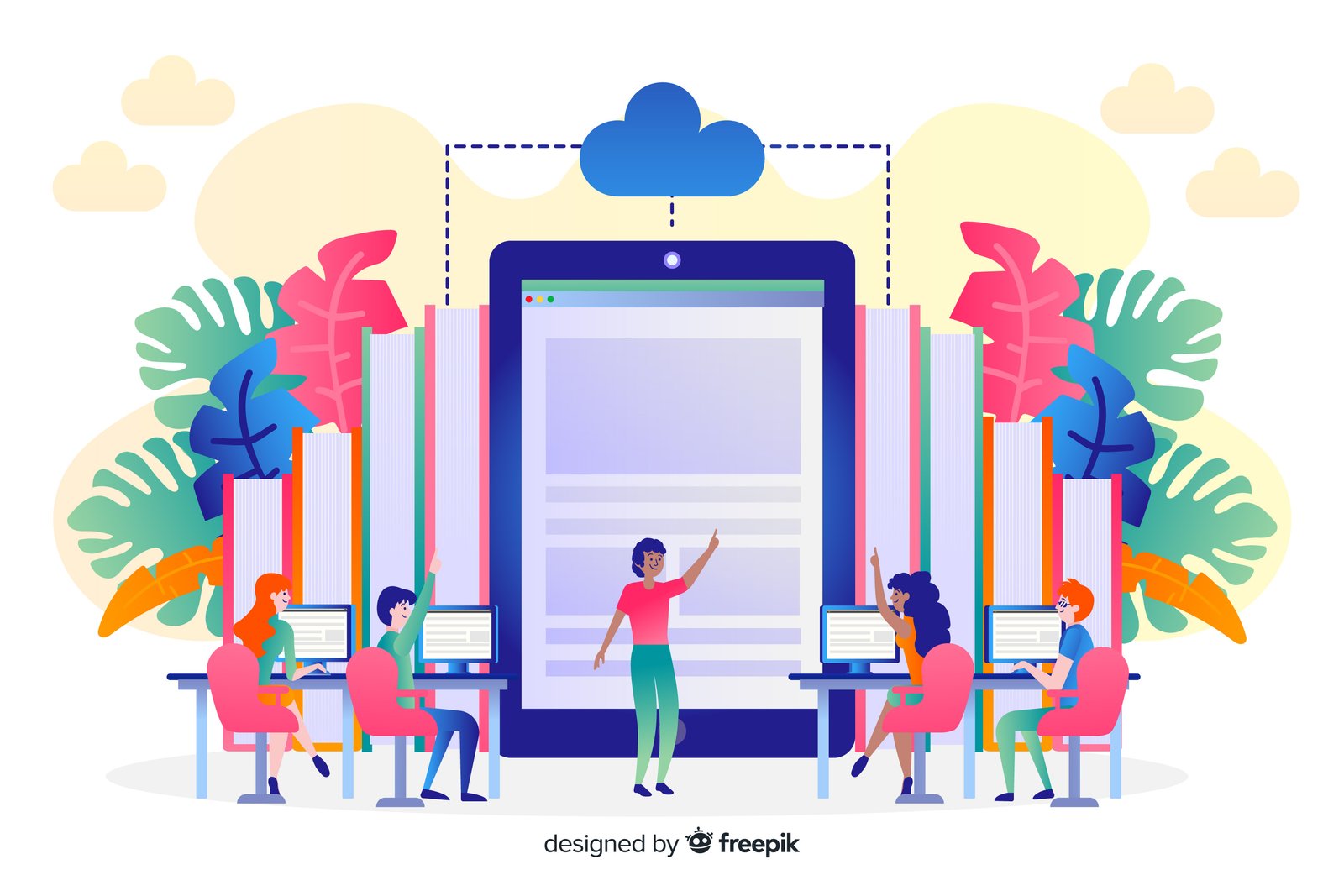
Choosing between cloud-based and on-premise school management systems is one of the most critical decisions educational institutions face today. This comprehensive guide will help you understand the key differences, benefits, and considerations for each deployment model.
Understanding Cloud vs On-Premise Deployment
Before diving into the comparison, it's essential to understand what each deployment model entails:
Cloud-Based School Management Systems
Cloud-based systems are hosted on remote servers and accessed through web browsers. The software provider manages all technical aspects, including maintenance, updates, and security.
On-Premise School Management Systems
On-premise systems are installed and run on your school's own servers and infrastructure. Your IT team manages all aspects of the system, from installation to maintenance.
Detailed Comparison: Cloud vs On-Premise
1. Initial Costs and Investment
Cloud-Based Systems
- Lower upfront costs
- Subscription-based pricing model
- No hardware investment required
- Predictable monthly/annual expenses
On-Premise Systems
- Higher initial investment
- One-time licensing fees
- Server and hardware costs
- IT infrastructure setup expenses
2. Maintenance and Updates
Cloud systems offer automatic updates and maintenance handled by the provider, ensuring you always have the latest features and security patches without any effort from your team.
On-premise systems require your IT team to handle all updates, patches, and maintenance, which can be time-consuming and require specialized expertise.
3. Security Considerations
Both deployment models can be secure when properly implemented:
Cloud Security Advantages:
- Professional security teams managing infrastructure
- Regular security updates and patches
- Advanced threat detection and monitoring
- Compliance certifications (SOC 2, ISO 27001)
On-Premise Security Advantages:
- Complete control over data and access
- Customizable security policies
- Data remains within your premises
- No third-party data sharing concerns
4. Scalability and Flexibility
Cloud-based systems excel in scalability, allowing schools to easily add or remove users, features, and storage as needed. On-premise systems require hardware upgrades and additional licensing for expansion.
5. Internet Dependency
Cloud systems require reliable internet connectivity for access, while on-premise systems can function during internet outages (though some features may be limited).
Which Option is Right for Your School?
Choose Cloud-Based If:
- You have limited IT resources or budget
- You want predictable monthly costs
- You need quick implementation
- You require automatic updates and maintenance
- You have reliable internet connectivity
- You want to focus on education rather than IT management
Choose On-Premise If:
- You have strict data residency requirements
- You have a dedicated IT team
- You need extensive customization
- You have unreliable internet connectivity
- You prefer one-time licensing costs
- You have specific compliance requirements
The Hybrid Approach
Some schools opt for a hybrid approach, combining cloud and on-premise elements. This might involve using cloud-based systems for most functions while keeping sensitive data on-premise.
Making the Decision: Key Questions to Ask
- What is your total budget for the next 3-5 years?
- Do you have dedicated IT staff?
- How reliable is your internet connectivity?
- What are your data privacy and compliance requirements?
- How quickly do you need to implement the system?
- What level of customization do you require?
Conclusion
The choice between cloud and on-premise school management systems depends on your specific needs, resources, and priorities. Cloud-based solutions like Schoolyn offer ease of use, lower upfront costs, and professional maintenance, making them ideal for most schools. However, on-premise solutions may be better for institutions with specific security requirements or extensive IT resources.
Consider conducting a thorough needs assessment and consulting with vendors to determine which option aligns best with your school's goals and constraints.
Ready to Choose the Right School Management System?
Discover how Schoolyn's cloud-based solution can transform your school's operations with minimal IT overhead and maximum efficiency.
Get Started Today