EdTech Trends 2025: Revolutionary Technologies Transforming Education
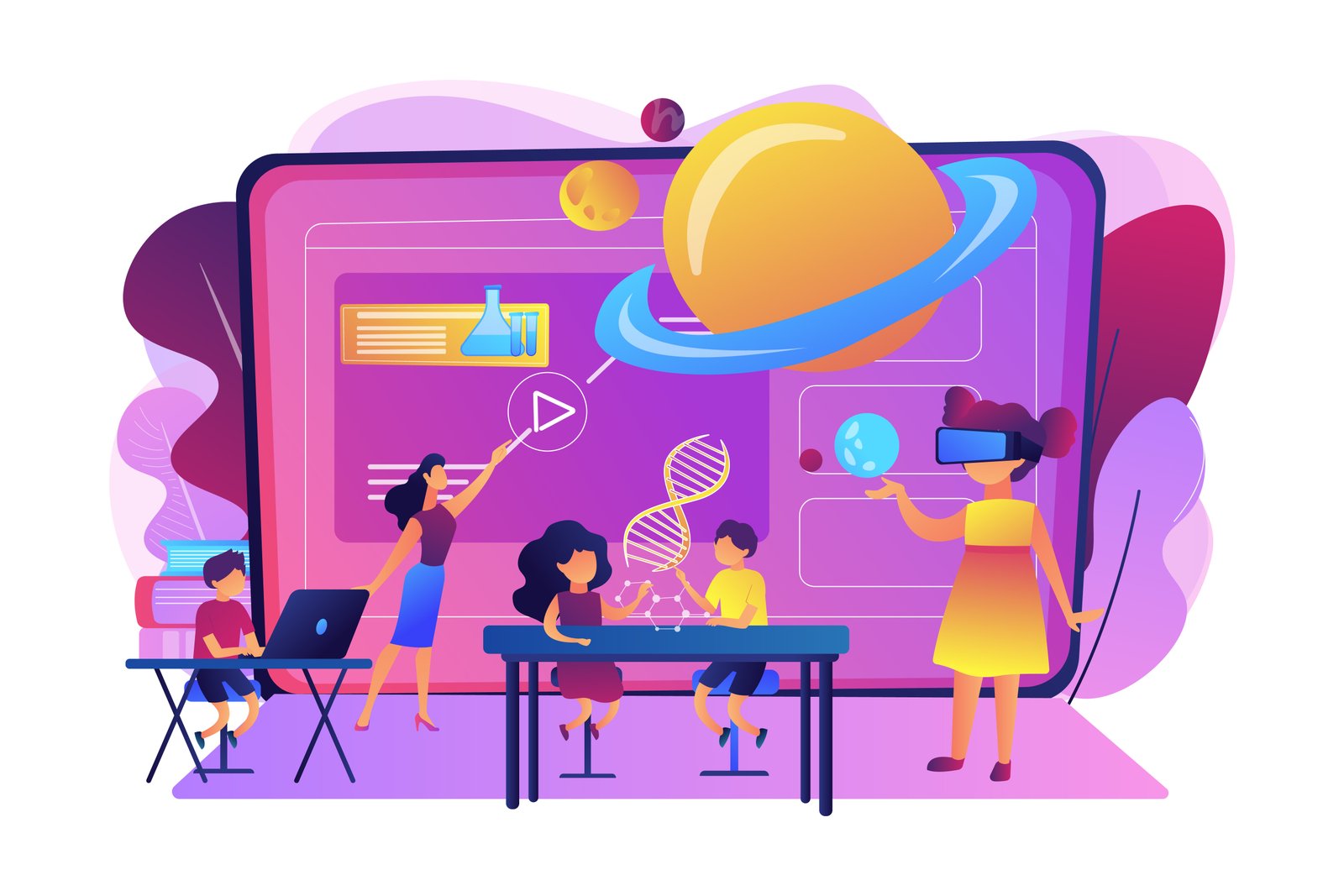
The educational technology landscape is experiencing unprecedented transformation in 2025, driven by breakthrough innovations in artificial intelligence, immersive technologies, and personalized learning platforms. As we navigate this digital revolution, educational institutions worldwide are embracing cutting-edge technologies that promise to make learning more engaging, accessible, and effective than ever before.
The Current State of EdTech in 2025
The global EdTech market has reached new heights in 2025, valued at over $400 billion and continuing to grow at an exponential rate. This growth is fueled by increased digital adoption, changing learner expectations, and the proven effectiveness of technology-enhanced education. Educational institutions are no longer asking whether to adopt technology, but rather which technologies will best serve their students and learning objectives.
Key Market Drivers
- Post-Pandemic Digital Transformation: Accelerated adoption of digital learning tools
- Personalization Demand: Growing need for individualized learning experiences
- Skills Gap: Urgent need for workforce development and reskilling
- Accessibility Requirements: Inclusive education for diverse learner populations
- Cost Efficiency: Pressure to deliver quality education at scale
- Global Connectivity: Increased internet access and mobile device penetration
Top EdTech Trends Shaping 2025
1. Artificial Intelligence and Machine Learning
AI has moved from experimental to essential in education, with sophisticated applications transforming every aspect of the learning experience.
Personalized Learning Pathways
- Adaptive Content Delivery: AI algorithms adjust content difficulty and pace based on individual learning patterns
- Learning Style Recognition: Systems identify and accommodate visual, auditory, and kinesthetic learning preferences
- Predictive Analytics: Early identification of students at risk of falling behind
- Competency Mapping: Real-time assessment of skill development and knowledge gaps
- Intelligent Recommendations: Personalized content suggestions based on learning history and goals
AI-Powered Assessment and Feedback
- Automated Essay Scoring: Natural language processing for writing assessment
- Real-Time Feedback: Instant, detailed feedback on student work
- Plagiarism Detection: Advanced algorithms for academic integrity
- Oral Assessment: Speech recognition for language learning and presentation skills
- Behavioral Analytics: Understanding student engagement and learning patterns
Intelligent Tutoring Systems
- 24/7 Support: AI tutors available around the clock
- Conversational Interfaces: Natural language interaction with learning systems
- Emotional Intelligence: AI that recognizes and responds to student emotions
- Multilingual Support: Breaking down language barriers in education
- Scaffolded Learning: Gradual release of support as students gain competence
2. Immersive Technologies: VR, AR, and Mixed Reality
Virtual and augmented reality technologies are creating unprecedented opportunities for experiential learning and skill development.
Virtual Reality Applications
- Virtual Field Trips: Exploring historical sites, museums, and natural wonders
- Scientific Simulations: Safe experimentation in virtual laboratories
- Medical Training: Realistic surgical and diagnostic practice
- Language Immersion: Virtual environments for language practice
- Soft Skills Training: Public speaking, leadership, and interpersonal skills
Augmented Reality Integration
- Interactive Textbooks: 3D models and animations overlaid on printed materials
- Real-World Problem Solving: AR-enhanced field studies and research
- Maintenance Training: Step-by-step AR guidance for technical procedures
- Historical Reconstruction: Bringing historical events to life in current locations
- Collaborative Workspaces: Shared AR environments for group projects
Mixed Reality Environments
- Hybrid Learning Spaces: Blending physical and digital learning environments
- Remote Collaboration: Shared virtual spaces for distributed teams
- Spatial Computing: 3D interfaces for complex data visualization
- Gesture-Based Interaction: Natural hand and body movements for control
- Persistent Virtual Objects: Digital content that remains in physical spaces
3. Blockchain and Credentialing Revolution
Blockchain technology is transforming how educational achievements are verified, stored, and shared globally.
Digital Credentials and Certificates
- Tamper-Proof Records: Immutable academic transcripts and certifications
- Micro-Credentials: Granular skill verification and digital badges
- Global Recognition: Universal acceptance of blockchain-verified credentials
- Instant Verification: Real-time credential authentication for employers
- Lifelong Learning Portfolios: Comprehensive skill and achievement tracking
Decentralized Learning Networks
- Peer-to-Peer Learning: Direct knowledge exchange without intermediaries
- Smart Contracts: Automated payment and certification systems
- Intellectual Property Protection: Secure ownership of educational content
- Transparent Governance: Democratic decision-making in educational institutions
- Token-Based Incentives: Cryptocurrency rewards for learning achievements
4. Microlearning and Bite-Sized Content
The trend toward shorter, focused learning modules continues to gain momentum, driven by changing attention spans and mobile learning preferences.
Content Optimization
- 5-Minute Modules: Focused learning sessions that fit busy schedules
- Just-in-Time Learning: Information available exactly when needed
- Spaced Repetition: Scientifically optimized review schedules
- Progressive Disclosure: Gradual revelation of complex concepts
- Mobile-First Design: Content optimized for smartphone consumption
Delivery Mechanisms
- Push Notifications: Timely learning reminders and content delivery
- Chatbot Integration: Conversational learning through messaging platforms
- Video Snippets: Short, engaging video content
- Interactive Infographics: Visual learning with embedded interactions
- Podcast Learning: Audio content for learning on the go
5. Gamification and Game-Based Learning
Educational gaming has evolved beyond simple point systems to sophisticated, narrative-driven learning experiences.
Advanced Gamification Elements
- Narrative Frameworks: Story-driven learning adventures
- Dynamic Difficulty Adjustment: Games that adapt to player skill level
- Social Competition: Multiplayer learning challenges
- Achievement Systems: Complex badge and reward structures
- Progress Visualization: Clear indicators of learning advancement
Serious Games and Simulations
- Business Simulations: Realistic management and strategy games
- Scientific Modeling: Interactive experiments and hypothesis testing
- Historical Recreations: Immersive historical decision-making scenarios
- Crisis Management: Emergency response and problem-solving simulations
- Ethical Dilemmas: Games exploring moral and ethical decision-making
6. Internet of Things (IoT) in Education
Connected devices are creating smart learning environments that respond to student needs and optimize educational experiences.
Smart Classroom Technologies
- Environmental Sensors: Automatic adjustment of lighting, temperature, and air quality
- Occupancy Detection: Space utilization optimization and energy efficiency
- Interactive Displays: Touch-enabled surfaces throughout the learning space
- Wearable Integration: Health and activity monitoring for students
- Asset Tracking: Real-time location of educational resources and equipment
Data Collection and Analytics
- Learning Behavior Analysis: Understanding how students interact with physical spaces
- Attention Monitoring: Measuring engagement through biometric data
- Collaborative Patterns: Tracking group work and social learning
- Resource Utilization: Optimizing the use of educational materials
- Predictive Maintenance: Proactive equipment care and replacement
7. Voice Technology and Conversational AI
Voice-activated learning is becoming increasingly sophisticated, offering natural and accessible ways to interact with educational content.
Voice-Activated Learning Assistants
- Natural Language Queries: Students can ask questions in conversational language
- Multilingual Support: Voice interaction in multiple languages
- Accessibility Features: Support for students with visual or motor impairments
- Hands-Free Learning: Content consumption while multitasking
- Pronunciation Training: Real-time feedback on language learning
Conversational Learning Platforms
- Chatbot Tutors: AI-powered teaching assistants available 24/7
- Socratic Questioning: AI that guides learning through strategic questions
- Emotional Support: Conversational AI that provides encouragement and motivation
- Study Companions: AI partners for collaborative learning
- Administrative Assistance: Voice-activated help with scheduling and logistics
8. Adaptive and Personalized Learning Platforms
Learning platforms are becoming increasingly sophisticated in their ability to adapt to individual learner needs and preferences.
Advanced Personalization Features
- Learning Path Optimization: AI-driven curriculum sequencing
- Content Recommendation Engines: Personalized resource suggestions
- Difficulty Calibration: Real-time adjustment of challenge levels
- Learning Style Adaptation: Content presentation based on individual preferences
- Pace Customization: Flexible timing based on individual learning speed
Intelligent Content Curation
- Dynamic Content Assembly: Real-time creation of personalized learning materials
- Multi-Source Integration: Combining content from various educational resources
- Quality Filtering: AI-powered assessment of content relevance and accuracy
- Contextual Recommendations: Content suggestions based on current learning context
- Collaborative Filtering: Recommendations based on similar learner preferences
9. Cloud-Native and Edge Computing
Advanced computing architectures are enabling more responsive, scalable, and accessible educational technologies.
Cloud-Native Educational Platforms
- Infinite Scalability: Platforms that grow with institutional needs
- Global Accessibility: Consistent performance worldwide
- Automatic Updates: Seamless feature rollouts and security patches
- Cost Optimization: Pay-as-you-use pricing models
- Disaster Recovery: Built-in backup and continuity planning
Edge Computing Applications
- Low-Latency Interactions: Real-time response for immersive experiences
- Offline Capabilities: Local processing when internet is unavailable
- Privacy Protection: Local data processing for sensitive information
- Bandwidth Optimization: Reduced data transmission requirements
- Localized Content: Region-specific educational materials
10. Quantum Computing in Education
While still emerging, quantum computing is beginning to impact educational research and specialized learning programs.
Quantum Education Applications
- Complex Problem Solving: Modeling intricate scientific phenomena
- Cryptography Education: Teaching advanced security concepts
- Optimization Algorithms: Solving complex scheduling and resource allocation problems
- Research Acceleration: Faster processing of large educational datasets
- Quantum Literacy: Preparing students for quantum computing careers
Emerging Learning Modalities
Hybrid and Flexible Learning Models
HyFlex Education
- Student Choice: Attend in-person, online, or switch between modes
- Synchronized Experiences: Seamless integration of physical and virtual participants
- Flexible Scheduling: Asynchronous options within synchronous frameworks
- Technology Integration: Advanced tools supporting multiple participation modes
- Assessment Equity: Fair evaluation regardless of participation mode
Competency-Based Education
- Mastery Focus: Progression based on skill demonstration rather than time
- Personalized Pacing: Students advance when ready
- Real-World Application: Assessment through practical demonstrations
- Continuous Assessment: Ongoing evaluation integrated into learning
- Industry Alignment: Skills directly relevant to career requirements
Social and Collaborative Learning
Peer-to-Peer Learning Networks
- Student-Generated Content: Learners creating resources for peers
- Collaborative Problem Solving: Group-based challenge resolution
- Peer Assessment: Students evaluating each other's work
- Knowledge Sharing Communities: Subject-specific learning groups
- Mentorship Programs: Experienced students guiding newcomers
Global Learning Communities
- Cross-Cultural Collaboration: International project partnerships
- Language Exchange: Native speaker interaction for language learning
- Global Perspectives: Diverse viewpoints on universal topics
- Cultural Competency: Understanding and appreciating diversity
- Virtual Exchange Programs: International experiences without travel
Industry-Specific EdTech Innovations
Healthcare Education
- Virtual Patients: AI-powered patient simulations for medical training
- Surgical Simulators: Haptic feedback systems for procedure practice
- Diagnostic Training: AI-assisted radiology and pathology education
- Telemedicine Training: Remote patient care skill development
- Pharmaceutical Education: Drug interaction and dosage calculation tools
Engineering and Technical Education
- CAD/CAM Integration: Real-world design tools in educational settings
- 3D Printing Labs: Rapid prototyping for engineering projects
- Robotics Programming: Hands-on automation and AI development
- Virtual Laboratories: Expensive equipment simulation for widespread access
- Industry Partnerships: Real project collaboration with companies
Business and Management Education
- Business Intelligence Tools: Real data analysis and visualization
- Market Simulation: Dynamic business environment modeling
- Leadership Development: VR-based management scenario training
- Entrepreneurship Incubators: Startup development within educational programs
- Global Business Exposure: Virtual international business experiences
Challenges and Considerations
Digital Equity and Access
Bridging the Digital Divide
- Device Access: Ensuring all students have necessary technology
- Internet Connectivity: Reliable broadband access for all learners
- Digital Literacy: Teaching essential technology skills
- Technical Support: Assistance for students and families
- Inclusive Design: Technology accessible to users with disabilities
Socioeconomic Considerations
- Cost Barriers: Affordable technology solutions for low-income families
- Infrastructure Gaps: Rural and underserved area connectivity
- Language Barriers: Multilingual support and localization
- Cultural Sensitivity: Technology that respects diverse backgrounds
- Community Partnerships: Collaboration with local organizations
Privacy and Security
Data Protection
- Student Privacy: Protecting personal and academic information
- FERPA Compliance: Meeting educational privacy regulations
- GDPR Adherence: International data protection standards
- Consent Management: Clear policies for data collection and use
- Data Minimization: Collecting only necessary information
Cybersecurity Measures
- Secure Authentication: Multi-factor authentication systems
- Encryption Standards: Protecting data in transit and at rest
- Regular Audits: Ongoing security assessments and improvements
- Incident Response: Prepared procedures for security breaches
- User Education: Teaching safe digital practices
Pedagogical Integration
Teacher Training and Support
- Professional Development: Ongoing training in new technologies
- Pedagogical Integration: Connecting technology to learning objectives
- Change Management: Supporting educators through technology transitions
- Peer Collaboration: Teacher networks for sharing best practices
- Technical Support: Reliable assistance for technology issues
Curriculum Alignment
- Standards Mapping: Connecting technology use to educational standards
- Assessment Integration: Technology-enhanced evaluation methods
- Learning Objective Focus: Technology as a means, not an end
- Balanced Approach: Combining digital and traditional methods
- Continuous Evaluation: Regular assessment of technology effectiveness
Future Outlook and Predictions
Short-Term Predictions (2025-2027)
- AI Mainstream Adoption: AI tutors and assistants become standard
- VR/AR Integration: Immersive technologies in regular curricula
- Blockchain Credentials: Widespread adoption of digital certificates
- Voice Interface Growth: Voice-activated learning becomes common
- Personalization Sophistication: Highly individualized learning experiences
Medium-Term Developments (2027-2030)
- Quantum Computing Applications: Specialized quantum education programs
- Brain-Computer Interfaces: Direct neural interaction with learning systems
- Holographic Displays: 3D holographic content in classrooms
- Advanced Robotics: Robot teaching assistants and companions
- Emotional AI: Systems that understand and respond to emotions
Long-Term Vision (2030+)
- Seamless Integration: Technology invisible and natural in learning
- Universal Access: High-quality education available to everyone globally
- Continuous Learning: Lifelong, adaptive education systems
- Human-AI Collaboration: Perfect partnership between humans and AI
- Sustainable Education: Environmentally conscious learning technologies
Implementation Strategies for Educational Institutions
Strategic Planning
Technology Roadmap Development
- Vision Setting: Clear goals for technology integration
- Stakeholder Engagement: Involving all community members in planning
- Phased Implementation: Gradual rollout with pilot programs
- Budget Planning: Sustainable funding for technology initiatives
- Success Metrics: Clear indicators of technology effectiveness
Change Management
- Communication Strategy: Clear messaging about technology benefits
- Training Programs: Comprehensive professional development
- Support Systems: Ongoing assistance for users
- Feedback Mechanisms: Regular input collection and response
- Continuous Improvement: Iterative refinement of technology use
Technology Selection and Procurement
Evaluation Criteria
- Educational Effectiveness: Proven impact on learning outcomes
- User Experience: Intuitive and engaging interfaces
- Scalability: Ability to grow with institutional needs
- Integration Capability: Compatibility with existing systems
- Total Cost of Ownership: Long-term financial implications
Vendor Partnership
- Due Diligence: Thorough evaluation of technology providers
- Service Level Agreements: Clear expectations for support and performance
- Data Ownership: Clear policies on data rights and portability
- Customization Options: Ability to adapt technology to specific needs
- Long-term Viability: Vendor stability and product roadmap
Conclusion
The EdTech landscape of 2025 represents a remarkable convergence of technological innovation and educational need. From AI-powered personalized learning to immersive virtual reality experiences, these technologies are not just changing how we teach and learn—they're fundamentally transforming what's possible in education.
The key to success in this rapidly evolving landscape lies not in adopting every new technology, but in thoughtfully selecting and implementing tools that genuinely enhance learning outcomes. Educational institutions must balance innovation with proven pedagogical principles, ensuring that technology serves learning rather than driving it.
As we look toward the future, the most successful educational institutions will be those that embrace change while maintaining focus on their core mission: providing high-quality, accessible, and meaningful learning experiences for all students. The technologies of 2025 offer unprecedented opportunities to achieve this goal, but their success will ultimately depend on thoughtful implementation, ongoing support, and a commitment to continuous improvement.
The future of education is bright, powered by technology but guided by human wisdom and care. By staying informed about these trends and implementing them strategically, educational institutions can create learning environments that prepare students not just for the jobs of today, but for the challenges and opportunities of tomorrow.
Ready to Embrace the Future of Education?
Discover how Schoolyn incorporates cutting-edge EdTech trends to transform your educational experience.
Explore EdTech Solutions