Blended Learning Implementation: Complete Guide for Schools in 2025
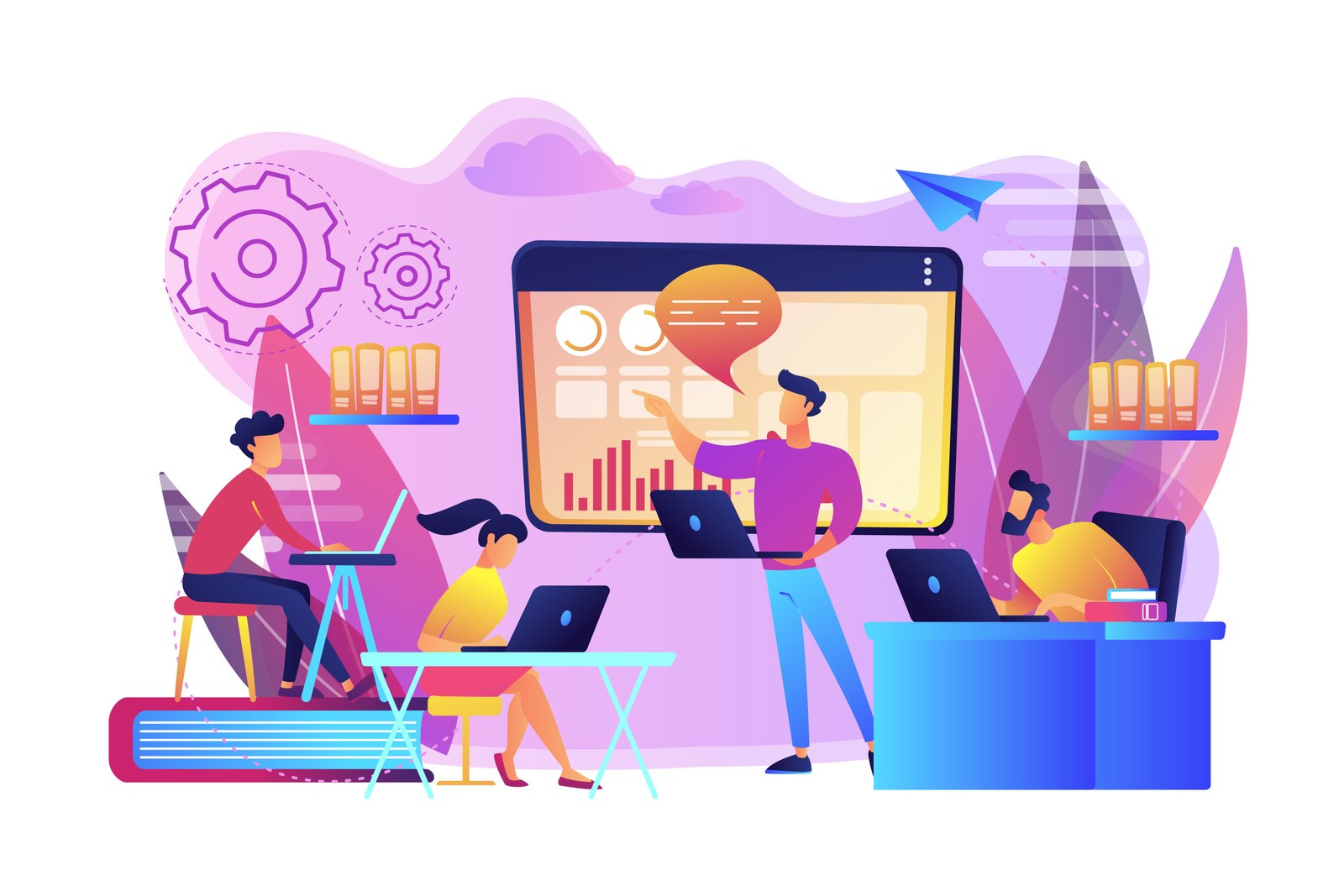
Blended learning has emerged as one of the most effective educational approaches, combining the best of traditional face-to-face instruction with online learning technologies. This comprehensive guide provides schools with practical strategies, tools, and best practices for successfully implementing blended learning programs.
What is Blended Learning?
Blended learning is an educational approach that combines online digital media with traditional classroom methods. It requires the physical presence of both teacher and student, with some element of student control over time, place, path, or pace of learning.
Key Characteristics of Blended Learning
- Integration: Seamless combination of online and offline activities
- Student Control: Learners have some control over their learning experience
- Supervised Learning: Maintains teacher guidance and support
- Connected Experience: Online and offline components complement each other
- Flexibility: Accommodates different learning styles and paces
Types of Blended Learning Models
1. Rotation Models
Station Rotation
- Students rotate between different learning stations
- At least one station involves online learning
- Ideal for elementary and middle school
- Allows for differentiated instruction
Lab Rotation
- Students rotate between classroom and computer lab
- Online learning occurs in dedicated computer lab
- Good for schools with limited classroom technology
- Requires scheduling coordination
Flipped Classroom
- Students learn content online at home
- Classroom time used for practice and application
- Maximizes face-to-face interaction time
- Requires reliable home internet access
Individual Rotation
- Students rotate on individual schedules
- Personalized learning paths
- Algorithm or teacher determines rotation
- Highly adaptive to student needs
2. Flex Model
- Online learning is the backbone of instruction
- Teachers provide face-to-face support as needed
- Students have significant control over their learning
- Suitable for self-motivated learners
3. A La Carte Model
- Students take some courses entirely online
- Supplements traditional school offerings
- Allows access to courses not available on-site
- Common in high schools for electives or AP courses
4. Enriched Virtual Model
- Students divide time between online and face-to-face learning
- Not daily attendance required
- Combines benefits of online and traditional schools
- Suitable for rural or specialized programs
Benefits of Blended Learning
For Students
- Personalized Learning: Adapt to individual learning styles and paces
- Increased Engagement: Interactive digital content and activities
- Flexibility: Learn anytime, anywhere with online components
- Digital Literacy: Develop essential 21st-century skills
- Self-Direction: Build independence and responsibility
- Immediate Feedback: Real-time assessment and progress tracking
For Teachers
- Data-Driven Instruction: Access to detailed learning analytics
- Differentiation: Easier to meet diverse student needs
- Efficiency: Automate routine tasks and assessments
- Professional Growth: Develop new teaching skills and methods
- Collaboration: Enhanced communication with students and parents
For Schools
- Cost Effectiveness: Optimize resource utilization
- Scalability: Serve more students with existing resources
- Innovation: Stay current with educational trends
- Improved Outcomes: Enhanced student achievement and satisfaction
- Competitive Advantage: Attract students and families
Implementation Strategy
Phase 1: Planning and Preparation (3-6 months)
1. Needs Assessment
- Evaluate current technology infrastructure
- Assess teacher and student readiness
- Identify learning objectives and goals
- Analyze budget and resource requirements
2. Stakeholder Engagement
- Build leadership support and commitment
- Involve teachers in planning process
- Communicate with parents and students
- Address concerns and resistance
3. Model Selection
- Choose appropriate blended learning model
- Consider school context and constraints
- Align with educational goals and objectives
- Plan for gradual implementation
Phase 2: Infrastructure and Technology (2-4 months)
1. Technology Infrastructure
- Network Capacity: Ensure adequate bandwidth and WiFi coverage
- Device Management: Provide tablets, laptops, or BYOD policies
- Learning Management System: Select and configure LMS platform
- Security Measures: Implement data protection and privacy controls
2. Digital Content and Tools
- Curate high-quality online learning resources
- Develop or purchase digital curriculum materials
- Select assessment and analytics tools
- Ensure accessibility and inclusivity
Phase 3: Professional Development (Ongoing)
1. Teacher Training
- Technology Skills: Platform navigation and troubleshooting
- Pedagogical Training: Blended learning instructional strategies
- Content Creation: Developing digital learning materials
- Assessment Methods: Online and formative assessment techniques
2. Support Systems
- Establish peer mentoring programs
- Create professional learning communities
- Provide ongoing technical support
- Develop resource libraries and guides
Phase 4: Pilot Implementation (1-2 semesters)
1. Small-Scale Launch
- Start with volunteer teachers and classes
- Focus on specific subjects or grade levels
- Implement chosen blended learning model
- Monitor progress and collect feedback
2. Continuous Improvement
- Regular evaluation and adjustment
- Address technical and pedagogical issues
- Refine processes and procedures
- Document best practices and lessons learned
Phase 5: Full Implementation (1-2 years)
1. Scaled Deployment
- Expand to additional classes and subjects
- Apply lessons learned from pilot phase
- Maintain quality and consistency
- Continue professional development
2. Sustainability Planning
- Develop long-term funding strategies
- Plan for technology refresh cycles
- Build internal capacity and expertise
- Create succession planning for key personnel
Essential Tools and Technologies
Learning Management Systems
- Google Classroom: Free, easy-to-use, integrates with Google Workspace
- Canvas: Comprehensive features, excellent user interface
- Schoology: Social learning features, strong K-12 focus
- Microsoft Teams: Collaboration tools, Office 365 integration
Content Creation Tools
- Video Creation: Screencastify, Loom, Flipgrid
- Interactive Content: Nearpod, Pear Deck, Kahoot
- Presentation Tools: Prezi, Canva, Adobe Spark
- Assessment Tools: Quizizz, Formative, Socrative
Communication and Collaboration
- Video Conferencing: Zoom, Google Meet, Microsoft Teams
- Messaging: Slack, Microsoft Teams, Google Chat
- Collaboration: Padlet, Jamboard, Miro
- Parent Communication: ClassDojo, Remind, Seesaw
Best Practices for Success
Instructional Design
- Clear Learning Objectives: Define specific, measurable goals
- Seamless Integration: Connect online and offline activities
- Varied Content Types: Use multimedia and interactive elements
- Regular Assessment: Implement formative and summative evaluations
- Feedback Loops: Provide timely and constructive feedback
Student Support
- Digital Citizenship: Teach responsible technology use
- Technical Support: Provide help desk and troubleshooting
- Study Skills: Develop online learning strategies
- Accessibility: Ensure equal access for all students
- Motivation: Maintain engagement and participation
Teacher Development
- Ongoing Training: Continuous professional development
- Peer Collaboration: Share experiences and best practices
- Reflective Practice: Regular evaluation and improvement
- Innovation Mindset: Embrace experimentation and change
- Work-Life Balance: Manage increased workload effectively
Common Challenges and Solutions
Technology Challenges
Challenge: Inadequate Internet Connectivity
Solutions:
- Upgrade network infrastructure
- Provide mobile hotspots for students
- Create offline learning options
- Partner with internet service providers
Challenge: Device Availability and Management
Solutions:
- Implement 1:1 device programs
- Establish BYOD policies
- Create device lending programs
- Use mobile device management (MDM) solutions
Pedagogical Challenges
Challenge: Teacher Resistance and Lack of Skills
Solutions:
- Provide comprehensive training programs
- Start with willing early adopters
- Offer ongoing support and mentoring
- Recognize and celebrate successes
Challenge: Student Engagement and Motivation
Solutions:
- Use interactive and multimedia content
- Implement gamification elements
- Provide choice and personalization
- Maintain regular teacher-student interaction
Organizational Challenges
Challenge: Lack of Leadership Support
Solutions:
- Demonstrate clear benefits and ROI
- Start with small pilot programs
- Share success stories and data
- Align with school strategic goals
Measuring Success
Key Performance Indicators
- Academic Achievement: Test scores, grades, completion rates
- Student Engagement: Participation rates, time on task
- Teacher Satisfaction: Surveys, retention rates
- Technology Usage: Platform analytics, device utilization
- Cost Effectiveness: ROI, resource optimization
Assessment Methods
- Quantitative Data: Analytics, test scores, usage statistics
- Qualitative Data: Surveys, interviews, focus groups
- Observational Data: Classroom observations, case studies
- Longitudinal Studies: Track progress over time
Future of Blended Learning
Emerging Trends
- Artificial Intelligence: Personalized learning recommendations
- Virtual Reality: Immersive learning experiences
- Microlearning: Bite-sized learning modules
- Adaptive Learning: Content that adjusts to student needs
- Social Learning: Peer-to-peer collaboration platforms
Predictions for 2025 and Beyond
- Increased integration of AI and machine learning
- More sophisticated learning analytics
- Greater emphasis on social-emotional learning
- Expansion of virtual and augmented reality
- Enhanced accessibility and inclusion features
Conclusion
Implementing blended learning successfully requires careful planning, adequate resources, and strong commitment from all stakeholders. While challenges exist, the benefits of blended learning—including personalized instruction, increased engagement, and improved outcomes—make it a worthwhile investment for schools.
The key to success lies in taking a systematic approach, starting small, and continuously improving based on feedback and data. Schools that embrace blended learning thoughtfully and strategically will be better positioned to meet the diverse needs of 21st-century learners.
Remember that blended learning is not just about technology—it's about transforming teaching and learning to create more effective, engaging, and personalized educational experiences. Focus on pedagogy first, then let technology support and enhance your educational goals.
Ready to Implement Blended Learning?
Discover how Schoolyn can support your blended learning journey with integrated tools and features.
Start Your Blended Learning Journey