Modern Classroom Management Strategies: Complete Guide for Effective Teaching 2025
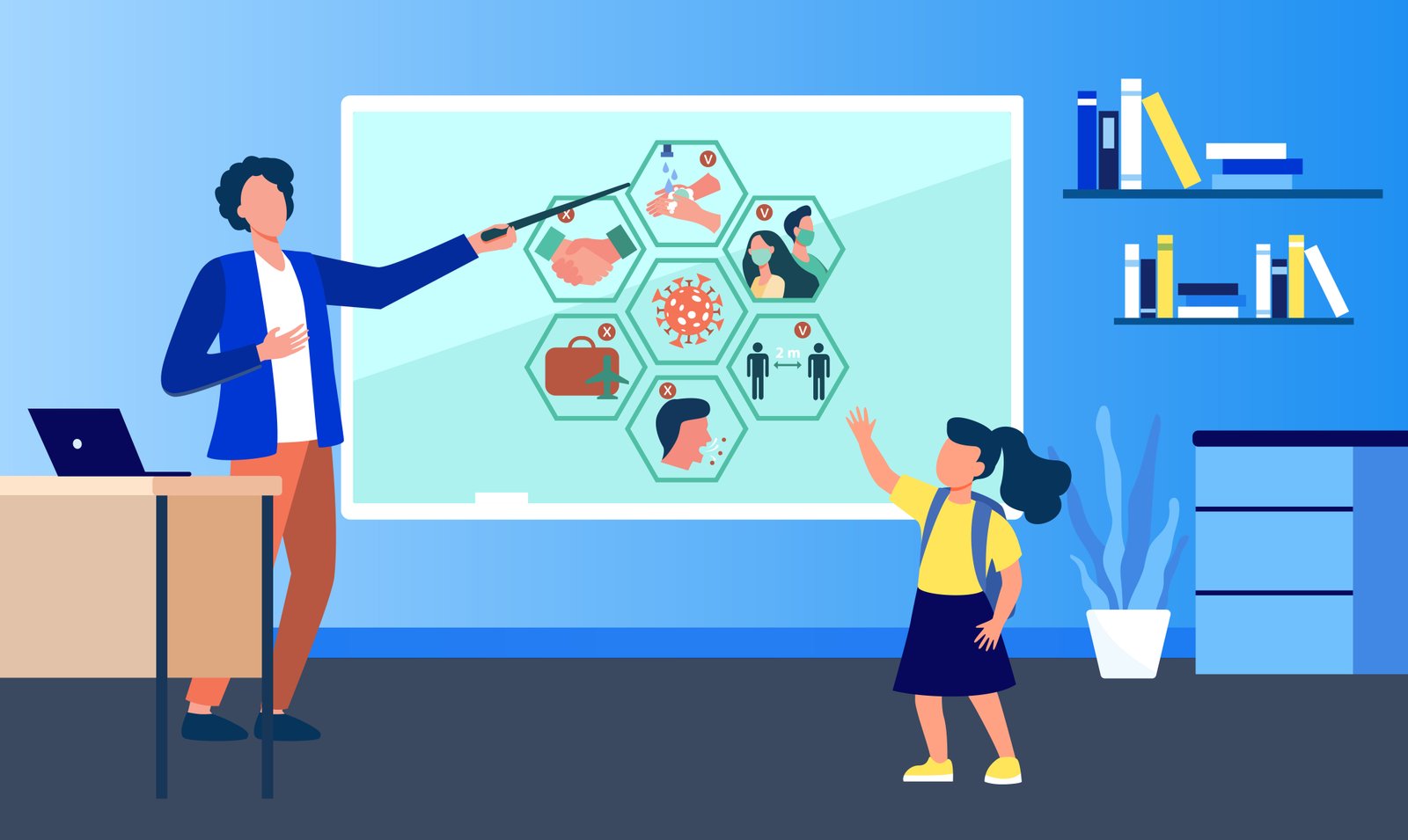
Effective classroom management in 2025 goes beyond traditional discipline models to create positive, engaging learning environments that support all students. Modern strategies emphasize relationship-building, proactive prevention, and evidence-based approaches that foster both academic achievement and social-emotional development.
The Evolution of Classroom Management
Classroom management has transformed from punitive, teacher-centered approaches to collaborative, student-centered models that prioritize relationship-building and positive behavior support. This shift reflects our deeper understanding of child development, learning psychology, and the importance of creating inclusive environments.
Key Paradigm Shifts
- From Reactive to Proactive: Preventing problems before they occur
- From Punishment to Teaching: Using mistakes as learning opportunities
- From Control to Collaboration: Involving students in creating classroom culture
- From One-Size-Fits-All to Differentiated: Recognizing individual student needs
- From Compliance to Engagement: Focusing on meaningful participation
- From Exclusion to Inclusion: Supporting all students in the classroom
Foundation of Effective Classroom Management
Building Positive Relationships
Strong teacher-student relationships form the cornerstone of effective classroom management, creating trust and mutual respect that supports learning.
Relationship-Building Strategies
- Personal Connections: Learning about students' interests, backgrounds, and goals
- Consistent Communication: Regular, positive interactions with all students
- Active Listening: Truly hearing and validating student perspectives
- Cultural Responsiveness: Honoring and incorporating diverse backgrounds
- Emotional Support: Recognizing and responding to student emotions
- Growth Mindset: Believing in every student's potential for improvement
Trust-Building Activities
- Morning Greetings: Personal welcome for each student
- Interest Surveys: Learning about student preferences and goals
- One-on-One Conferences: Individual check-ins and support
- Shared Experiences: Class activities that build community
- Student Voice: Incorporating student input in classroom decisions
- Celebration of Success: Recognizing individual and group achievements
Creating a Positive Learning Environment
The physical and emotional environment significantly impacts student behavior and learning outcomes.
Physical Environment Design
- Flexible Seating: Options that accommodate different learning styles
- Clear Organization: Logical arrangement of materials and spaces
- Student Work Display: Celebrating and showcasing achievements
- Calm-Down Spaces: Areas for emotional regulation and reflection
- Technology Integration: Seamless incorporation of digital tools
- Natural Elements: Plants, natural light, and calming colors
Emotional Climate
- Psychological Safety: Environment where students feel safe to take risks
- Inclusive Atmosphere: Welcoming space for all students
- Growth-Oriented Culture: Focus on learning and improvement
- Collaborative Spirit: Emphasis on teamwork and mutual support
- Positive Communication: Respectful and encouraging interactions
- Stress Reduction: Minimizing anxiety and pressure
Proactive Management Strategies
Clear Expectations and Routines
Well-established expectations and routines provide structure and predictability that support student success.
Developing Classroom Expectations
- Collaborative Creation: Involving students in developing rules
- Positive Framing: Stating what students should do, not just what they shouldn't
- Clear Language: Using specific, understandable terms
- Visual Reminders: Posted expectations and procedures
- Regular Review: Ongoing reinforcement and adjustment
- Consistent Application: Fair and equitable enforcement
Essential Classroom Routines
- Entry and Exit Procedures: Smooth transitions into and out of class
- Attention Signals: Consistent methods for gaining student focus
- Material Distribution: Efficient systems for supplies and resources
- Group Work Protocols: Clear procedures for collaborative activities
- Technology Use Guidelines: Appropriate digital tool usage
- Emergency Procedures: Safety protocols and responses
Engaging Instructional Practices
Engaging instruction is one of the most effective classroom management strategies, as engaged students are less likely to exhibit disruptive behavior.
Active Learning Strategies
- Hands-On Activities: Kinesthetic learning opportunities
- Collaborative Learning: Structured peer interaction
- Choice and Voice: Student input in learning activities
- Real-World Connections: Relevant and meaningful content
- Varied Instructional Methods: Multiple approaches to accommodate learning styles
- Frequent Interaction: Regular student participation opportunities
Differentiation Strategies
- Multiple Learning Modalities: Visual, auditory, and kinesthetic options
- Flexible Grouping: Various group configurations based on needs
- Tiered Assignments: Different complexity levels for the same concept
- Learning Contracts: Individualized learning agreements
- Interest-Based Activities: Connecting to student passions
- Scaffolded Support: Gradual release of responsibility
Positive Behavior Support Systems
Preventive Approaches
Preventing behavioral issues through proactive strategies is more effective than reactive responses.
Environmental Modifications
- Seating Arrangements: Strategic placement to minimize distractions
- Traffic Flow: Clear pathways and movement patterns
- Sensory Considerations: Managing noise, lighting, and stimulation
- Break Areas: Designated spaces for self-regulation
- Visual Supports: Schedules, reminders, and cues
- Organization Systems: Clear storage and accessibility
Instructional Modifications
- Pacing Adjustments: Appropriate lesson timing and breaks
- Task Modifications: Adapting assignments to student needs
- Choice Provision: Options in activities and assignments
- Movement Integration: Incorporating physical activity
- Attention Strategies: Techniques to maintain focus
- Transition Support: Smooth changes between activities
Recognition and Reinforcement
Positive reinforcement is more effective than punishment in shaping desired behaviors.
Types of Positive Reinforcement
- Verbal Praise: Specific, genuine recognition of positive behavior
- Written Feedback: Notes, certificates, and positive comments
- Privileges: Special responsibilities or opportunities
- Social Recognition: Public acknowledgment of achievements
- Tangible Rewards: Appropriate use of physical incentives
- Activity Rewards: Preferred activities as reinforcement
Effective Reinforcement Strategies
- Immediate Recognition: Timely acknowledgment of positive behavior
- Specific Feedback: Clear description of what was done well
- Individual Preferences: Tailoring rewards to student interests
- Intermittent Schedules: Varying reinforcement patterns
- Group Reinforcement: Celebrating collective achievements
- Self-Monitoring: Teaching students to recognize their own progress
Addressing Challenging Behaviors
Understanding Behavior Functions
All behavior serves a purpose, and understanding the function helps in developing effective interventions.
Common Behavior Functions
- Attention-Seeking: Behaviors to gain adult or peer attention
- Escape/Avoidance: Behaviors to avoid tasks or situations
- Sensory Stimulation: Behaviors that provide sensory input
- Access to Tangibles: Behaviors to obtain desired items or activities
- Communication: Behaviors that express needs or wants
- Control/Power: Behaviors to maintain autonomy or influence
Functional Behavior Assessment
- Data Collection: Systematic observation and recording
- Pattern Analysis: Identifying triggers and consequences
- Hypothesis Development: Determining likely behavior functions
- Intervention Planning: Designing targeted strategies
- Progress Monitoring: Tracking intervention effectiveness
- Plan Adjustment: Modifying strategies based on results
Intervention Strategies
Effective interventions address the underlying causes of behavior while teaching appropriate alternatives.
Teaching Replacement Behaviors
- Communication Skills: Teaching appropriate ways to express needs
- Social Skills: Developing positive peer interaction abilities
- Self-Regulation: Teaching emotional and behavioral control
- Problem-Solving: Developing conflict resolution skills
- Coping Strategies: Healthy ways to manage stress and frustration
- Academic Skills: Addressing learning difficulties that contribute to behavior
De-escalation Techniques
- Calm Presence: Maintaining composure and emotional regulation
- Active Listening: Acknowledging student feelings and perspectives
- Space and Time: Providing opportunities for cooling down
- Redirection: Guiding attention to positive alternatives
- Problem-Solving: Collaborative resolution of conflicts
- Follow-Up: Debriefing and learning from incidents
Digital Classroom Management
Technology Integration Strategies
Modern classrooms require effective management of digital tools and online learning environments.
Digital Citizenship
- Responsible Use: Teaching appropriate technology behavior
- Online Safety: Protecting personal information and avoiding risks
- Digital Etiquette: Respectful online communication
- Information Literacy: Evaluating and using digital information
- Creative Credit: Understanding copyright and attribution
- Digital Footprint: Awareness of online presence and impact
Online Learning Management
- Virtual Classroom Rules: Expectations for online participation
- Engagement Strategies: Keeping students active in digital environments
- Technical Support: Helping students navigate technology challenges
- Digital Organization: Systems for managing online materials
- Communication Protocols: Clear guidelines for digital interaction
- Assessment Integrity: Maintaining academic honesty online
Blended Learning Management
Combining face-to-face and digital instruction requires specialized management strategies.
Seamless Transitions
- Clear Expectations: Consistent rules across all learning environments
- Technology Routines: Smooth integration of digital tools
- Flexible Grouping: Adapting groups for different learning modes
- Progress Tracking: Monitoring student engagement across platforms
- Communication Systems: Maintaining connection in all formats
- Support Structures: Assistance for students in various learning modes
Social-Emotional Learning Integration
Building Emotional Intelligence
Integrating social-emotional learning into classroom management supports both behavior and academic success.
Core SEL Competencies
- Self-Awareness: Understanding emotions, strengths, and challenges
- Self-Management: Regulating emotions and behaviors
- Social Awareness: Understanding others' perspectives and emotions
- Relationship Skills: Building positive connections with others
- Responsible Decision-Making: Making ethical and constructive choices
SEL Integration Strategies
- Morning Meetings: Daily community-building activities
- Emotion Check-Ins: Regular assessment of student feelings
- Conflict Resolution: Teaching peaceful problem-solving
- Mindfulness Practices: Stress reduction and focus techniques
- Empathy Building: Activities to develop understanding of others
- Goal Setting: Supporting student self-direction and motivation
Trauma-Informed Practices
Understanding and responding to student trauma is essential for effective classroom management.
Trauma-Informed Principles
- Safety: Creating physically and emotionally safe environments
- Trustworthiness: Building reliable and consistent relationships
- Choice: Providing options and control to students
- Collaboration: Sharing power and decision-making
- Empowerment: Building on student strengths and resilience
- Cultural Humility: Respecting diverse backgrounds and experiences
Trauma-Sensitive Strategies
- Predictable Routines: Providing structure and consistency
- Calm-Down Strategies: Teaching self-regulation techniques
- Strength-Based Approach: Focusing on student capabilities
- Flexible Responses: Adapting to individual student needs
- Connection Before Correction: Relationship-building before addressing behavior
- Professional Support: Collaborating with counselors and specialists
Collaborative Approaches
Student Voice and Choice
Involving students in classroom management decisions increases buy-in and develops responsibility.
Student Leadership Opportunities
- Classroom Jobs: Meaningful responsibilities for all students
- Peer Mediation: Student-led conflict resolution
- Rule Creation: Collaborative development of classroom expectations
- Problem-Solving Teams: Student input on classroom challenges
- Feedback Systems: Regular student input on classroom functioning
- Goal Setting: Student involvement in academic and behavioral goals
Choice Integration
- Learning Options: Multiple ways to engage with content
- Seating Choices: Flexible arrangements based on needs
- Activity Selection: Options within structured parameters
- Pace Control: Some flexibility in timing and progression
- Expression Methods: Various ways to demonstrate learning
- Break Options: Self-directed regulation opportunities
Family and Community Partnerships
Effective classroom management extends beyond the classroom to include families and community support.
Family Engagement Strategies
- Regular Communication: Ongoing updates on student progress
- Home-School Consistency: Aligned expectations and strategies
- Cultural Responsiveness: Honoring family values and practices
- Problem-Solving Partnerships: Collaborative approach to challenges
- Celebration Sharing: Including families in student successes
- Resource Connections: Linking families to community supports
Assessment and Continuous Improvement
Data-Driven Decision Making
Regular assessment of classroom management effectiveness guides continuous improvement efforts.
Data Collection Methods
- Behavior Tracking: Systematic recording of behavioral incidents
- Student Surveys: Feedback on classroom climate and management
- Academic Performance: Connection between management and learning outcomes
- Engagement Measures: Assessment of student participation and involvement
- Self-Reflection: Teacher analysis of management effectiveness
- Peer Observation: Colleague feedback on classroom practices
Continuous Improvement Process
- Regular Review: Ongoing assessment of management strategies
- Strategy Adjustment: Modifying approaches based on data
- Professional Learning: Ongoing development of management skills
- Collaboration: Learning from colleagues and experts
- Innovation: Trying new approaches and techniques
- Reflection: Regular analysis of successes and challenges
Special Considerations
Inclusive Classroom Management
Effective management strategies must accommodate diverse learners and abilities.
Supporting Students with Disabilities
- Universal Design: Accessible strategies for all students
- Individualized Supports: Tailored interventions based on needs
- Assistive Technology: Tools to support participation and learning
- Collaborative Planning: Working with special education professionals
- Peer Support: Facilitating positive peer relationships
- Family Partnership: Coordinating with families and support teams
Cultural and Linguistic Diversity
- Cultural Responsiveness: Honoring diverse backgrounds and experiences
- Language Support: Accommodating English language learners
- Family Engagement: Building bridges with diverse families
- Bias Awareness: Recognizing and addressing unconscious bias
- Inclusive Practices: Ensuring all students feel valued and included
- Community Connections: Linking to cultural and community resources
Crisis Management
Effective classroom management includes preparation for and response to crisis situations.
Crisis Prevention
- Early Warning Signs: Recognizing escalating situations
- Environmental Factors: Minimizing crisis triggers
- Relationship Building: Strong connections that prevent crises
- Skill Building: Teaching coping and problem-solving skills
- Support Systems: Ensuring adequate resources and assistance
- Professional Development: Training in crisis prevention and response
Crisis Response
- Safety First: Ensuring physical and emotional safety
- De-escalation: Calming techniques and strategies
- Professional Support: Involving counselors and administrators
- Documentation: Recording incidents and interventions
- Follow-Up: Debriefing and planning for prevention
- Recovery: Helping students and class return to normal functioning
Professional Development and Support
Building Management Skills
Effective classroom management requires ongoing professional development and skill building.
Essential Professional Learning
- Behavior Management Training: Evidence-based intervention strategies
- Relationship Building: Skills for connecting with diverse students
- Cultural Competency: Understanding and responding to diversity
- Trauma-Informed Practices: Supporting students affected by trauma
- Social-Emotional Learning: Integrating SEL into classroom management
- Technology Integration: Managing digital learning environments
Support Systems
- Mentoring Programs: Experienced teacher guidance
- Professional Learning Communities: Collaborative problem-solving
- Coaching Support: Individualized assistance and feedback
- Administrative Backing: Leadership support for management efforts
- Specialist Collaboration: Working with counselors and behavior specialists
- Family Partnerships: Coordinated home-school approaches
Conclusion
Modern classroom management in 2025 represents a comprehensive approach that goes far beyond traditional discipline models. It encompasses relationship-building, proactive prevention, positive behavior support, and inclusive practices that create environments where all students can thrive.
The most effective classroom managers understand that behavior is communication, relationships are foundational, and every student deserves to feel safe, valued, and supported. They use evidence-based strategies, continuously assess their effectiveness, and adapt their approaches to meet the diverse needs of their students.
Success in classroom management requires ongoing professional development, collaboration with colleagues and families, and a commitment to creating positive learning environments. By implementing these comprehensive strategies, teachers can create classrooms that support both academic achievement and social-emotional development.
The investment in effective classroom management pays dividends in student engagement, academic success, and positive school climate. As we continue to evolve our understanding of effective teaching and learning, classroom management remains a critical foundation for educational excellence.
Ready to Transform Your Classroom Management?
Discover how Schoolyn can support positive classroom environments with integrated behavior tracking and communication tools.
Explore Management Solutions